SEO vs. PPC: Differences, Pros, Cons, & How to Decide
SEO Vs PPC
In today’s digital landscape, understanding the nuances of Search Engine Optimization (SEO) and Pay-Per-Click (PPC) marketing is essential for businesses looking to establish a strong online presence. These two strategies, while distinct, serve as cornerstones for driving traffic to websites and converting visitors into customers. SEO revolves around optimizing a website to organically rank higher in search engine results, while PPC involves paid advertising to gain immediate visibility. To navigate this dynamic marketing terrain effectively, it’s crucial to comprehend the key differences between SEO and PPC, and discern when to employ each strategy. Moreover, blending the strengths of both can lead to a comprehensive marketing approach. Let’s delve into the intricacies of SEO and PPC, exploring their benefits, cost considerations, traffic generation tactics, and much more.
Understanding SEO and PPC
Search Engine Optimization (SEO) and Pay-Per-Click (PPC) advertising are two cornerstone strategies in digital marketing. They serve distinct purposes in driving traffic and conversions for websites.
What is SEO?
SEO involves optimizing a website’s content, structure, and backend elements to rank higher on search engine results pages (SERPs) organically. This is achieved through techniques like keyword optimization, quality content creation, backlink building, and technical optimizations.
What is PPC?
PPC is a form of online advertising where advertisers pay a fee each time their ad is clicked. These ads appear on search engine results pages or on websites through display networks. It’s a paid method to drive immediate traffic to a website.
Key Differences Between SEO and PPC
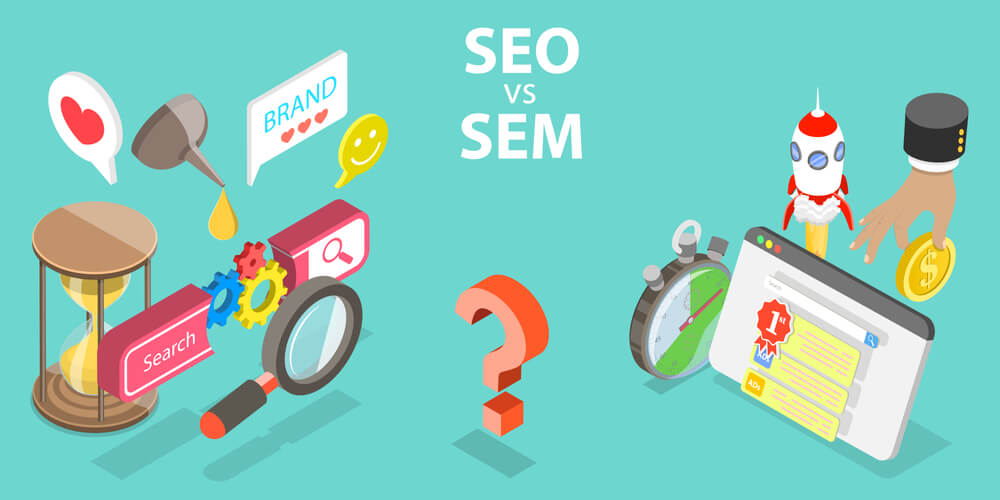
SEO is organic and relies on content quality and relevance to rank on SERPs. PPC, on the other hand, is a paid advertising method where you bid for ad placement on SERPs or websites. SEO is a long-term strategy, while PPC provides immediate results.
Benefits of SEO
- Sustainable Traffic: Once a page ranks high organically, it tends to stay there for an extended period.
- Credibility and Trust: Organic results are often perceived as more trustworthy by users compared to paid ads.
- Cost-Efficiency: Compared to PPC, the long-term costs of SEO are generally lower.
Benefits of PPC
- Immediate Results: PPC can generate traffic and conversions almost instantly after a campaign is launched.
- Controlled Targeting: Advertisers have precise control over who sees their ads based on demographics, keywords, and behavior.
When to Use SEO
SEO is best employed for long-term goals, brand building, and establishing authority in a particular niche. It’s especially effective for content-heavy websites.
When to Use PPC
PPC is ideal for short-term campaigns, product launches, or when immediate traffic and conversions are needed. It’s also effective for highly competitive industries.
Combining SEO and PPC for a Comprehensive Strategy
Using both SEO and PPC together creates a holistic approach. PPC can provide immediate traffic while SEO efforts work towards long-term visibility and trust.
Budget Considerations for SEO and PPC
Budget allocation should be based on the specific goals of the business. Balancing resources between SEO and PPC requires a strategic approach.
Measuring Success: KPIs for SEO and PPC
Key Performance Indicators (KPIs) for SEO include organic traffic, keyword rankings, and conversion rates. For PPC, KPIs include click-through rates (CTR), conversion rates, and return on ad spend (ROAS).
Cost Considerations
Understanding the costs associated with SEO and PPC is crucial for effective resource allocation and maximizing ROI.
Cost Structure of SEO
SEO costs encompass elements like content creation, link building, technical optimization, and potentially hiring experts or agencies.
Cost Structure of PPC
PPC costs involve ad spend, management fees (if using an agency), and potentially costs for landing page creation or optimization.
Long-term vs. Short-term Costs
SEO is an ongoing investment with long-term benefits, while PPC provides immediate results but requires continual ad spend.
Calculating ROI for SEO
ROI for SEO is calculated by comparing the investment in SEO activities to the revenue generated from organic traffic and conversions.
Calculating ROI for PPC
PPC ROI is determined by comparing the ad spend to the revenue generated from PPC-driven traffic and conversions.
Budget Allocation Strategies
The budget allocation should be aligned with the business goals. For instance, a new business might allocate more to PPC for immediate visibility.
Maximizing ROI with Limited Budgets
Efficient targeting, compelling ad copy, and effective landing pages are crucial in making the most of a limited PPC budget.
Ad Auctions and Bidding Strategies
Understanding how ad auctions work and employing effective bidding strategies can optimize PPC campaigns.
Ad Quality Scores and Ad Rank
These are metrics used by search engines to determine ad placement. Improving quality scores can lead to better ad positions at lower costs.
Cost vs. Value: Finding the Right Balance
Balancing costs with the expected value and returns from both SEO and PPC ensures resources are allocated effectively for maximum impact.
Traffic Generation and Quality
Generating traffic is a fundamental goal of digital marketing, but it’s equally important to ensure that the traffic is of high quality and likely to convert.
Organic Traffic with SEO
Organic traffic is the result of users finding a website through a search engine’s natural, unpaid results. SEO strategies focus on optimizing content, keywords, and website structure to increase organic traffic.
Paid Traffic with PPC
PPC campaigns involve paying for ad placement on search engines or websites. This method provides immediate visibility and traffic, with targeting options to reach specific audiences.
Conversion Rates for SEO vs. PPC
Conversion rates measure the percentage of visitors who take a desired action, such as making a purchase or filling out a contact form. Comparing conversion rates helps determine the effectiveness of SEO and PPC strategies.
Click-Through Rates (CTR) in SEO vs. PPC
CTR is the ratio of clicks to impressions. In SEO, higher CTR indicates that a page’s title and meta description are relevant to users. In PPC, it signifies the effectiveness of ad copy and targeting.
Targeting Specific Audiences with PPC
PPC allows precise audience targeting based on factors like location, demographics, interests, and behavior. This ensures ads reach the most relevant audience.
User Intent and Search Queries in SEO
Understanding user intent is crucial in SEO. Aligning content with the intent behind specific search queries helps improve rankings and provides value to users.
Landing Page Optimization for PPC
A well-optimized landing page is essential for PPC success. It should be relevant, user-friendly, and designed to encourage conversions.
SEO for Content and Informational Queries
SEO can be particularly effective for content-driven websites or those catering to informational queries. Providing high-quality, relevant content can lead to increased organic traffic.
Ad Copy and Messaging in PPC
Compelling ad copy and messaging in PPC campaigns is essential to grab the user’s attention and encourage them to click through to the website.
Retention and Engagement: SEO vs. PPC
While both channels aim to generate traffic, SEO often focuses on long-term engagement and building brand loyalty, whereas PPC is more immediate and transactional.
Timeframe for Results
Understanding the expected timeframes for results is crucial for setting realistic expectations and planning marketing strategies.
SEO: Long-term Strategy
SEO is a long-term investment. It takes time to build authority, gain trust, and see significant increases in organic traffic and rankings.
PPC: Immediate Results
PPC provides immediate results. Once a campaign is launched, ads are displayed to users, and traffic starts flowing to the website almost instantly.
SEO: Building Authority and Trust
One of the primary goals of SEO is to establish a website as an authority in its niche. This requires consistent effort and time.
PPC: Testing and Iterating Quickly
PPC campaigns allow for rapid testing and iteration. Ad copy, targeting, and landing pages can be adjusted quickly to improve performance.
SEO: Sustained Growth Over Time
While SEO may take longer to yield significant results, the growth tends to be sustained and often leads to more stable, long-term traffic.
PPC: Campaign Launch and Optimization
PPC campaigns can be launched and optimized rapidly. This agility allows for quick adjustments to maximize performance.
SEO: Algorithm Changes and Adaptation
Search engine algorithms evolve, impacting SEO strategies. Staying updated and adapting to these changes is crucial for long-term success.
PPC: Ad Copy and Landing Page Testing
Continuous testing of ad copy and landing pages is vital in PPC. This ensures that campaigns are optimized for the highest possible conversion rates.
SEO: Patience and Persistence
SEO requires patience and persistence. It may take time to see significant results, but the long-term benefits are well worth the investment.
PPC: Scaling and Expansion
Once a successful PPC campaign is established, it can be scaled up to reach a larger audience or expanded into new markets for further growth.
Keyword Research and Targeting
Effective keyword research and targeting are crucial aspects of both SEO and PPC strategies, determining how well a website or ad campaign reaches its intended audience.
Keyword Research for SEO
Keyword research in SEO involves identifying the most relevant and high-performing keywords related to a website’s content or products. This helps in optimizing content for better search engine rankings.
Keyword Research for PPC
In PPC, keyword research is crucial for selecting the right keywords to bid on. It ensures that ads are displayed to users who are actively searching for products or services.
Long-tail Keywords in SEO
Long-tail keywords are specific, detailed search queries with lower search volume but higher conversion potential. They play a vital role in targeting a highly relevant audience in SEO.
Ad Groups and Keyword Matching in PPC
Organizing keywords into ad groups and using appropriate keyword matching options (broad match, phrase match, exact match, etc.) in PPC helps improve ad relevancy and performance.
Competition Analysis for SEO
Analyzing competitors’ keyword strategies can provide valuable insights into which keywords are driving traffic and conversions in a particular industry or niche.
Keyword Bidding and Quality Score in PPC
Keyword bidding involves setting a maximum bid for each keyword. Quality Score, determined by factors like ad relevance and landing page quality, influences ad position in PPC.
SEO: On-page Optimization for Keywords
In SEO, on-page optimization includes optimizing meta tags, headers, content, and images with target keywords to improve search engine rankings.
Ad Extensions and Ad Formats in PPC
Ad extensions in PPC provide additional information or call-to-action buttons, enhancing ad visibility and performance. Ad formats, like text, display, or video, impact how the ad is displayed.
SEO: Content Strategy and Keyword Integration
Creating a content strategy that incorporates targeted keywords helps improve relevancy and visibility in search engine results.
Negative Keywords and Filtering in PPC
Negative keywords in PPC prevent ads from being shown for irrelevant searches. Filtering options help refine the audience to reach only the most relevant users.
Ad Visibility and Positioning
Where and how ads appear on search engine results pages (SERPs) significantly impacts their effectiveness and visibility.
Organic Search Rankings in SEO
Achieving high organic search rankings is crucial for gaining visibility and attracting organic traffic to a website.
Ad Placement and Positioning in PPC
Selecting the right ad placements on the display network or search network in PPC helps ensure that ads reach the intended audience effectively.
SEO: Above-the-Fold vs. Below-the-Fold
Understanding the distinction between above-the-fold (visible without scrolling) and below-the-fold content in SEO helps prioritize important information.
Ad Position and Click-Through Rate (CTR)
Ad position directly affects click-through rate in PPC. Higher positions generally result in more clicks, but it’s important to consider ROI and competition.
SEO: SERP Features and Rich Snippets
SERP features like featured snippets, knowledge panels, and local packs can significantly impact a website’s visibility and click-through rate in SEO.
Display Network vs. Search Network in PPC
Differentiating between the display network (banners, videos, etc.) and the search network (text ads on search engines) in PPC is crucial for targeting different types of audiences.
SEO: Local SEO and Map Pack
Local SEO focuses on optimizing a website for location-based searches. Appearing in the map pack (local results) can be crucial for businesses targeting local customers.
Ad Position vs. Ad Copy Relevance
Balancing ad position with the relevance of ad copy ensures that ads are both visible and compelling to potential customers in PPC.
Featured Snippets and Knowledge Graph in SEO
Earning featured snippets or appearing in the knowledge graph can significantly increase a website’s visibility and authority in search engine results.
A/B Testing for Ad Positioning in PPC
A/B testing different ad positions helps identify the most effective placement for maximizing click-through rates and conversions in PPC campaigns.
Tracking and Analytics
Effectively tracking and analyzing data is essential in understanding the performance and impact of both SEO and PPC efforts.
SEO: Google Analytics and Search Console
Google Analytics provides detailed insights into website traffic, user behavior, and conversions. Search Console offers information on how a site performs in Google’s search results.
PPC: Conversion Tracking and Analytics
Conversion tracking in PPC allows advertisers to measure the effectiveness of ad campaigns by tracking specific actions users take after clicking on an ad.
SEO: Traffic Sources and User Behavior
Analyzing traffic sources (organic, direct, referral, etc.) and user behavior (bounce rate, time on site, etc.) in SEO provides valuable insights into audience engagement.
PPC: Clicks, Impressions, and Conversions
Tracking metrics like clicks, impressions, and conversions in PPC provides a clear picture of campaign performance and ROI.
SEO: Goal Setting and KPIs
Setting specific goals and key performance indicators (KPIs) in SEO helps measure progress and determine the success of a campaign.
PPC: Attribution Models and Funnel Analysis
Attribution models in PPC help understand how different touchpoints contribute to conversions. Funnel analysis identifies stages where users drop off.
SEO: Link Tracking and Referral Traffic
Monitoring link performance and referral traffic in SEO helps identify which external sources are driving traffic and how valuable they are.
PPC: Ad Performance and Quality Scores
Analyzing ad performance metrics and quality scores in PPC helps optimize campaigns for better results and lower costs.
SEO: Rank Tracking and Keyword Performance
Tracking keyword rankings and performance in search results is crucial for evaluating the effectiveness of SEO strategies.
PPC: Ad Copy Testing and Optimization
Testing different ad copies and optimizing them for relevance and click-through rates is a key component of successful PPC campaigns.
Competition and Market Dynamics
Understanding the competitive landscape and market dynamics is essential for crafting effective SEO and PPC strategies.
Competitor Analysis in SEO
Analyzing competitors’ strategies, keywords, and backlink profiles in SEO helps identify opportunities and areas for improvement.
Ad Auctions and Competitor Bidding in PPC
Understanding how ad auctions work and how competitors bid for ad placement is crucial in PPC for gaining an edge in the marketplace.
SEO: Backlink Profiles and Authority
Evaluating backlink profiles and domain authority of competitors in SEO helps determine the level of effort needed to compete effectively.
PPC: Ad Rank and Quality Score Comparison
Comparing ad ranks and quality scores with competitors in PPC provides insights into strategies for improving ad positioning and relevance.
SEO: Niche Saturation and Opportunity
Assessing niche saturation in SEO helps identify areas where there may be less competition and greater opportunities for growth.
PPC: Ad Position and Advertiser Competition
Understanding the relationship between ad position and competitor presence in PPC helps determine bidding and positioning strategies.
SEO: Content Gap Analysis and Content Strategy
Identifying content gaps in comparison to competitors and developing a comprehensive content strategy is crucial for SEO success.
PPC: Ad Copy Differentiation and Unique Selling Proposition
Creating ad copy that stands out and highlights unique selling points sets campaigns apart from competitors in PPC.
SEO: SERP Landscape and Featured Snippet Competition
Analyzing the SERP landscape and competition for featured snippets in SEO helps refine content strategies for better visibility.
PPC: Ad Testing Against Competitor Ads
Testing ad variations against competitor ads in PPC allows for optimization and the development of more effective messaging and offers.
Geographic and Demographic Targeting
Geographic and demographic targeting are pivotal strategies in digital marketing, enabling businesses to reach specific audiences based on location and characteristics. These approaches ensure that marketing efforts are directed towards the most relevant and potentially profitable customer segments.
Local SEO and Geographic Targeting
Local SEO is a specialized facet of search engine optimization that emphasizes optimizing a website to appear in local search results. This is crucial for businesses that serve a specific geographic area or have physical locations. It involves techniques like incorporating location-specific keywords, creating Google My Business profiles, and obtaining local citations. By implementing these strategies, businesses can enhance their visibility to potential customers in their immediate vicinity.
PPC: Geo-Targeting and Location Extensions
In Pay-Per-Click advertising, geo-targeting allows advertisers to refine their ad targeting based on the geographic location of users. This feature ensures that ads are displayed only to users in specific regions, making it particularly effective for businesses with localized offerings. Additionally, location extensions in PPC provide users with additional information about a business, such as its address and contact details. This extension helps in establishing credibility and facilitating direct interaction with potential customers.
SEO: Multilingual and International SEO
Multilingual SEO is a comprehensive strategy aimed at optimizing a website to rank well in search results across multiple languages. This is crucial for businesses looking to expand their reach in global markets. It involves tasks like translating content, implementing hreflang tags, and ensuring that each language version of the site is appropriately indexed. International SEO, on the other hand, focuses on reaching a global audience, often involving considerations like currency, shipping options, and cultural nuances.
PPC: Language and Location Settings
Language and location settings in PPC campaigns are fundamental components of effective targeting. By setting specific language preferences, advertisers ensure that their ads are shown to users who speak the targeted language. This not only improves ad relevance but also enhances user experience. Moreover, specifying geographic locations ensures that ads are displayed to users in the intended regions. This precision helps in avoiding irrelevant clicks and maximizing ad spend efficiency.
SEO: Local Citations and NAP Consistency
Local citations are instances where a business’s name, address, and phone number (NAP) are mentioned on external websites, directories, or platforms. Consistency in NAP information across these citations is critical for local SEO. Search engines use this data to verify the legitimacy and credibility of a business. Ensuring that NAP information is accurate and consistent across the web helps in building trust with both search engines and potential customers.
PPC: Location Bid Adjustments and Radius Targeting
Location bid adjustments in PPC allow advertisers to fine-tune their bids based on a user’s proximity to a specific location. This means that an ad can be more competitive when users are closer to the business’s physical location. Additionally, radius targeting enables advertisers to set a specific distance from a location within which their ads will be displayed. These features are invaluable for businesses aiming to attract customers within a defined geographic radius.
SEO: Mobile-First Indexing and Local SEO
With the prevalence of mobile devices, search engines have shifted towards mobile-first indexing. This means that the mobile version of a website is prioritized for indexing and ranking. For local SEO, this underscores the importance of mobile optimization. Ensuring that a website is mobile-friendly not only enhances the user experience but also aligns with search engine algorithms, thereby boosting local search rankings.
PPC: Device Targeting and Mobile Bidding
Device targeting in PPC allows advertisers to tailor their ad campaigns to specific types of devices, such as desktops, tablets, and mobile phones. Mobile bidding strategies are particularly crucial in today’s digital landscape, where a significant portion of internet traffic comes from mobile devices. By optimizing bids for mobile users, businesses can effectively tap into this substantial market segment.
SEO: Regional Competitor Analysis
Understanding the competitive landscape on a regional level is crucial for businesses operating in specific geographic areas. This involves analyzing local competitors, identifying their strengths and weaknesses, and discerning the strategies that resonate with the local audience. Such insights enable businesses to fine-tune their SEO efforts to gain a competitive edge in their target region.
PPC: Ad Scheduling and Dayparting
Ad scheduling in PPC allows advertisers to determine specific time slots during which their ads will be displayed. This feature is invaluable for businesses with certain peak hours of operation or for promotions that are time-sensitive. Dayparting goes a step further by enabling advertisers to display ads during specific times of the day, aligning with the behavior and preferences of their target audience. These capabilities ensure that ad budgets are allocated efficiently and that ads reach users at the most opportune moments.
Summary
In conclusion, mastering the realms of Search Engine Optimization (SEO) and Pay-Per-Click (PPC) marketing opens the doors to a world of online opportunities. Understanding the diverse strategies within each, such as effective keyword research, ad positioning, and targeting specific demographics, allows businesses to thrive in the competitive digital landscape. Balancing the costs and benefits of SEO and PPC ensures that marketing efforts are not only impactful but also sustainable in the long run. Moreover, tracking and analyzing the performance of campaigns through various analytics tools is imperative for making data-driven decisions. By harnessing the power of both SEO and PPC, businesses can create a dynamic and effective online presence that engages, converts, and ultimately leads to growth and success. So, whether it’s optimizing for search engines or investing in paid advertising, a strategic blend of these techniques is the key to unlocking the full potential of your online presence.
Schedule a Free Call Now!

Mastering Schema Markup: Your Key to Search Engine Dominance
Schema Markup: Everything You Need to Know In today’s digital landscape, ensuring that your online content is easily discoverable and understandable by search engines is
Technical SEO: Maximizing SEO Impact
Technical SEO: Maximizing SEO Impact Mastering Technical SEO: Advanced Techniques for Success The world of Search Engine Optimization (SEO) has evolved considerably over the years, forcing digital