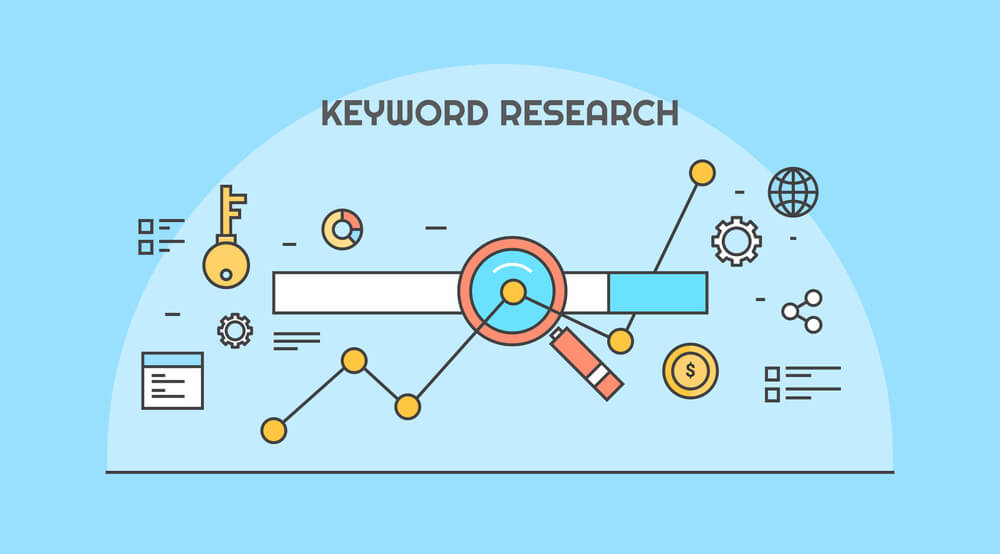
Keyword Research 101
Backlinks 101: A Detailed Guide for Everyone
Let’s embark on a journey into the world of backlinks, the virtual signposts of the internet. They’re like magical pathways that connect different corners of the online world. Think of them as recommendations, suggesting which places (websites) are popular and trustworthy. In simple terms, backlinks are special links on websites that take you on an adventure with just a click. They play a crucial role in how search engines view and rank websites. Understanding these virtual guides can have a profound impact on your website’s performance. So, let’s dive deeper and unravel the secrets of backlinks.
What Are Backlinks?
Backlinks are foundational components of search engine optimization (SEO), serving as critical indicators of a website’s authority, relevance, and overall standing in the digital landscape.
Definition and Importance
Backlinks, also referred to as inbound links or incoming links, are hyperlinks originating from external websites that lead users directly to your own site. They function as a vote of confidence, signaling to search engines that your content is valuable and trustworthy.
The significance of backlinks lies in their profound impact on a website’s credibility in the eyes of search engines. When reputable and authoritative websites establish a connection to yours, it communicates to search algorithms that your content is of high quality and merits a higher position in search results.
Types of Backlinks
The realm of backlinks encompasses various classifications, each carrying distinct degrees of influence on a website’s SEO performance.
- Natural Backlinks: These are the organic, unforced links acquired without any deliberate effort on the part of the website owner. They usually stem from exceptional content and valuable information.
- Manual or Outreach Backlinks: These backlinks are procured through intentional endeavors, involving outreach to other website owners, influencers, or bloggers, with the aim of persuading them to link to your content.
- Editorial Backlinks: These links naturally occur within the content of another website, often as a reference or citation. They hold substantial SEO value due to their contextually relevant nature.
- Guest Post Backlinks: By contributing guest posts to other websites within your niche, you can incorporate a backlink to your own site. This not only drives traffic but also augments your website’s authority.
- Social Media Backlinks: Links disseminated across social media platforms may not always wield the same influence as traditional backlinks, but they nevertheless contribute to your website’s overall visibility and online presence.
How Search Engines Use Backlinks
Search engines employ sophisticated algorithms that take into account a multitude of factors, backlinks being a prominent one, in order to determine a website’s ranking. Backlinks are viewed as a form of endorsement; the more reputable and relevant the source, the more positive an impact it has on your SEO.
Quality vs. Quantity of Backlinks
While quantity can certainly contribute to a website’s visibility, the preeminence lies in the quality of backlinks. High-quality backlinks emanate from authoritative, well-established websites within your industry or niche.
Benefits of High-Quality Backlinks
The acquisition of high-quality backlinks begets a multitude of benefits including amplified organic traffic, elevated search engine rankings, fortified credibility, and a more commanding online presence.
Common Backlink Myths
The realm of backlinks is not devoid of misconceptions. Dispelling these myths is essential for the implementation of an effective backlinking strategy.
The Role of Anchor Text in Backlinks
Anchor text, the visible and clickable text of a hyperlink, furnishes context to search engines regarding the content of the linked page, thereby exerting an influence on its rankings.
Nofollow vs. Dofollow Backlinks
Dofollow links bestow SEO authority, while nofollow links do not. Both possess their distinct role in a comprehensive backlinking strategy.
Internal vs. External Backlinks
Internal links interconnect various pages within the same website, while external links point to pages on other domains. Both categories contribute significantly to a website’s overall SEO health.
Backlinking Best Practices
Embarking on a backlinking endeavor demands a judicious amalgamation of quality content creation, relationship cultivation, and strategic link placement.
How to Build Quality Backlinks
The construction of quality backlinks necessitates a systematic approach that amalgamates diverse techniques to maximize their impact on your website’s SEO efficacy.
Guest Blogging for Backlinks
Guest blogging entails crafting superior content for other websites in return for a backlink. This not only forges relationships but also drives a substantial influx of traffic.
Creating Link-Worthy Content
The bedrock of any triumphant backlinking strategy lies in the creation of content that is genuinely valuable, informative, and relevant to your target audience.
Utilizing Social Media for Backlinks
While social media links may not bear the same weight as traditional backlinks, they still contribute indispensably to a well-rounded online presence.
Outreach and Relationship Building
Proactively initiating contact with influencers, bloggers, and website owners can lead to invaluable backlinks and collaborative ventures.
Broken Link Building Strategies
Identifying broken links on other websites and offering your content as a substitute is an effective tactic for acquiring backlinks.
Participating in Online Communities
Engaging in forums, discussion boards, and online communities within your niche can culminate in natural backlinks and invaluable networking opportunities.
Directory Submissions for Backlinks
Submitting your website to relevant directories can furnish authoritative backlinks, but it is imperative to exercise discernment in choosing reputable directories.
Infographics and Visual Content for Backlinks
Visual content, such as infographics, can attract an augmented number of backlinks owing to their shareable nature and their aptitude for conveying intricate information in a visually appealing manner.
Monitoring and Analyzing Backlink Quality
A systematic assessment of the quality of your backlinks on a regular basis ensures that you are maintaining a robust and healthy link profile, and enables the timely identification and rectification of any potential issues.
Avoiding Common Backlinking Pitfalls
Acquiring an awareness of common pitfalls, such as accruing low-quality or spammy backlinks, is fundamental to sustaining a potent and efficacious backlinking strategy.
Backlink Quality Assessment
Backlink quality assessment is a critical aspect of maintaining a healthy and effective backlink profile. It involves evaluating various factors to ensure that the links pointing to your website are from reputable and relevant sources.
Domain Authority and Page Authority
Domain Authority (DA) and Page Authority (PA) are metrics developed by Moz to gauge the strength and influence of a website or specific page. A backlink from a high DA and PA website holds more SEO value than one from a lower authority site.
Relevance of Backlink Source
Relevance is paramount in backlink quality. Links from websites within the same industry or niche are more valuable, as they indicate to search engines that your content is closely related to a particular topic.
Trustworthiness of Backlink Source
Trustworthiness is a crucial factor. Backlinks from reputable and established websites are more valuable than those from questionable or low-quality sources.
Link Diversity and Natural Backlink Profiles
A natural backlink profile consists of a diverse range of link types (e.g., editorial, guest posts, social media). This diversity signals to search engines that your backlinks have been acquired organically.
Avoiding Toxic or Spammy Backlinks
Identifying and disavowing toxic or spammy backlinks is essential to protect your website from potential penalties or ranking drops.
Evaluating Link Placement and Context
The placement and context of a backlink within the content can affect its impact. Contextually relevant placement within high-quality content is more beneficial.
Tools for Backlink Quality Analysis
Various tools and software are available for analyzing backlink quality. These tools provide insights into metrics like DA, PA, and spam scores to help you make informed decisions.
Disavowing Harmful Backlinks
The disavow tool allows you to inform search engines to ignore specific backlinks. This is crucial for removing the influence of low-quality or harmful links.
Identifying and Fixing Broken Backlinks
Broken backlinks can harm user experience and SEO. Regularly identifying and fixing these links ensures a seamless browsing experience.
Periodic Backlink Audits
Regular audits of your backlink profile help in identifying and rectifying any issues promptly. This ensures that your backlinks continue to positively impact your SEO efforts.
Advanced Backlinking Strategies
Advanced backlinking strategies go beyond the basics and involve more intricate approaches to acquiring high-quality links.
Competitor Backlink Analysis
Analyzing your competitors’ backlink profiles can reveal valuable insights and help you identify potential link opportunities.
Expanding Backlink Networks
Actively seeking out and fostering relationships with industry influencers and authoritative websites can lead to high-value backlink opportunities.
Building Backlinks through Influencer Marketing
Leveraging influencers in your industry to promote your content can result in high-quality backlinks and increased visibility.
Harnessing the Power of Webinars and Podcasts
Hosting webinars or podcasts and featuring industry experts can attract backlinks from attendees, participants, and related websites.
Strategic Guest Posting for Backlinks
Guest posting on reputable websites within your niche not only establishes you as an authority but also provides valuable backlinks.
Utilizing HARO (Help a Reporter Out)
Responding to queries on platforms like HARO can lead to opportunities for featured quotes and backlinks in high-authority publications.
Creating Linkable Assets for Outreach
Producing exceptional, shareable content encourages natural backlinks and facilitates outreach efforts.
Implementing the Skyscraper Technique
Identifying popular content in your niche and creating even better versions can lead to backlinks from those who prefer your superior content.
Leveraging Infographics for Backlinks
Designing informative infographics and promoting them can lead to a surge in backlinks from websites seeking visual content.
Building Backlinks with Data-Driven Content
Publishing data-driven content and studies positions you as an authoritative source, attracting backlinks from those seeking credible references.
Backlinks and SEO Ranking Factors
Understanding the intricate relationship between backlinks and various SEO ranking factors is crucial for optimizing your website’s visibility and authority.
The Role of Backlinks in Search Engine Algorithms
Backlinks serve as a cornerstone of search engine algorithms, acting as a vote of confidence from one website to another. They indicate content relevance, credibility, and authority.
Correlation between Backlinks and SERP Rankings
Extensive research has consistently shown a strong correlation between the quantity and quality of backlinks and a website’s rankings on search engine results pages (SERPs).
Link Signals and Algorithm Updates
Search engines continuously refine their algorithms to better evaluate backlinks. Understanding these updates is crucial for maintaining an effective backlinking strategy.
Link Velocity and Link Growth Patterns
The rate at which a website acquires backlinks (link velocity) and the pattern of growth are factors that influence SEO performance.
Co-citation and Co-occurrence in Backlinking
Co-citation refers to the mentions of two different websites on a third-party page, indicating a relationship. Co-occurrence involves the proximity of keywords to one another across the web.
Link Authority and Link Juice
Link authority pertains to the influence and power a backlink carries. Link juice is the SEO value passed from one page to another through a hyperlink.
Anchor Text Optimization for SEO
Optimizing anchor text, the clickable part of a hyperlink, is essential for conveying context to search engines and influencing rankings.
Freshness and Recency of Backlinks
Search engines value fresh and recent backlinks, as they indicate that a website’s content is current and relevant.
Social Signals and Backlinking
While not a direct ranking factor, social signals, such as likes, shares, and comments, can indirectly influence a website’s authority and visibility.
User Experience and Backlink Relevance
A seamless user experience is essential for retaining visitors. Backlinks should lead to relevant, high-quality content that fulfills the user’s intent.
Backlinks Outreach and Relationship Building
Effective outreach and relationship-building strategies are pivotal for acquiring high-quality backlinks and establishing mutually beneficial connections within the online community.
Crafting Effective Outreach Emails
Well-crafted outreach emails should be personalized, concise, and clearly communicate the value proposition for both parties involved.
Personalization and Customization in Outreach
Tailoring outreach messages to specific recipients increases the likelihood of building meaningful connections and securing backlinks.
Building Genuine Relationships with Webmasters
Authentic relationships with webmasters and site owners lead to long-lasting partnerships and a steady flow of high-quality backlinks.
Networking with Industry Influencers
Connecting with influencers in your industry can lead to valuable collaborations and opportunities for high-impact backlinks.
Overcoming Common Outreach Challenges
Challenges in outreach, such as rejection or lack of response, can be mitigated through persistence, creativity, and continual refinement of your approach.
Following Up and Nurturing Connections
Regular follow-ups and ongoing communication are essential for maintaining strong relationships and securing backlinks over time.
Building Trust and Credibility with Webmasters
Establishing trust with webmasters requires transparency, reliability, and consistently delivering on your promises.
Negotiating Backlink Placements
Effective negotiation skills are crucial for securing optimal backlink placements that benefit both parties involved.
Building a Backlink Outreach Strategy
A well-defined outreach strategy includes identifying target websites, crafting compelling messages, and tracking progress to ensure a steady influx of high-quality backlinks.
Leveraging Content Partnerships for Backlinks
Collaborating with other content creators and businesses can lead to mutually beneficial partnerships that result in valuable backlinks and increased exposure.
Local SEO and Backlinks
Incorporating local SEO strategies into your backlinking approach is crucial for businesses looking to target a specific geographic area and attract local customers.
Importance of Local Backlinks
Local backlinks provide geographical context to search engines, signaling that your business is relevant and authoritative within a specific location.
Citations and NAP Consistency
NAP (Name, Address, Phone number) consistency across online platforms and directories is a critical component of local SEO and backlinking.
Local Directories and Backlinking
Listing your business in reputable local directories can generate valuable backlinks and enhance your visibility in local search results.
Local Business Associations and Backlinks
Joining local business associations and chambers of commerce can lead to backlink opportunities and establish your business as an active member of the community.
Reviews and Testimonials for Local Backlinks
Encouraging and responding to customer reviews not only builds trust but can also lead to backlinks from review platforms.
Geo-Specific Content for Backlinking
Creating content tailored to specific locations or regions can attract backlinks from websites interested in sharing locally relevant information.
Building Backlinks from Local Events
Participating in or sponsoring local events provides opportunities for backlinks from event organizers and related businesses.
Optimizing Google My Business for Backlinks
A well-optimized Google My Business profile can lead to increased visibility in local search results and potential backlinks from authoritative sources.
Local Link Building Strategies
Developing a targeted approach to acquiring local backlinks involves identifying local influencers, businesses, and directories for outreach.
Tracking Local Backlink Performance
Regularly monitoring the performance of your local backlinks ensures that they continue to contribute to your local SEO efforts effectively.
Content Marketing and Backlinks
Integrating content marketing with backlink strategies amplifies the impact of your content and enhances its visibility.
Integrating Backlink Strategies with Content
Strategically incorporating backlinks within your content ensures that they flow naturally and provide additional value to your audience.
Creating Linkable Assets and Resources
Producing high-quality, informative content establishes your website as a valuable resource, increasing its potential for backlinks.
Content Promotion for Backlinks
Promoting your content through various channels, including social media and email marketing, can lead to increased visibility and backlinks.
Repurposing Content for Backlink Opportunities
Adapting existing content into different formats, such as infographics or videos, can attract a wider audience and generate more backlinks.
Guestographics and Visual Content for Backlinks
Creating visually appealing content, such as guestographics, can increase the likelihood of it being shared and linked to by other websites.
Storytelling and Backlink Engagement
Compelling storytelling in your content can captivate your audience and increase the likelihood of them sharing and linking to your content.
Using Content Hubs for Backlinking
Identifying and leveraging content hubs or platforms within your niche can lead to valuable backlinks and increased exposure.
Aligning Content Strategy with Backlink Goals
Ensuring that your content strategy aligns with your backlink goals helps to create content that naturally attracts quality backlinks.
Multimedia Content and Backlinking
Incorporating multimedia elements, such as images, videos, and podcasts, into your content can make it more engaging and shareable, increasing the likelihood of backlinks.
Evergreen Content and Long-Term Backlink Value
Creating evergreen content that remains relevant over time increases its potential for long-term backlink acquisition and sustained SEO value.
Backlinks and Social Media
Integrating social media with your backlinking strategy is essential for expanding your online presence and attracting a wider audience.
Social Signals and Backlinking
Social signals, such as likes, shares, and comments on social media, indirectly impact SEO and can contribute to backlink opportunities.
Social Media Platforms for Backlinks
Different social media platforms offer distinct opportunities for backlinking. Understanding how to leverage each platform effectively is crucial.
Amplifying Content for Backlink Opportunities
Promoting your content on social media can lead to increased visibility and potential backlinks from engaged followers.
Engaging with Influencers on Social Media
Building relationships with influencers in your industry on social media can lead to collaborations and backlink opportunities.
Utilizing Hashtags for Backlink Exposure
Using relevant and trending hashtags can extend the reach of your content and increase its potential for backlinks.
Viral Content and Backlink Potential
Creating content with the potential to go viral on social media can lead to a surge in backlinks as it gains widespread attention.
Community Building for Backlinking
Fostering a community around your brand on social media can lead to organic backlinks from engaged and loyal followers.
Monitoring Social Media for Link Opportunities
Regularly monitoring social media platforms for discussions and conversations related to your niche can lead to backlink opportunities.
Social Sharing and Backlink Value
Encouraging social sharing of your content can lead to increased exposure and potential backlinks from users who find value in your content.
Measuring Social Media Impact on Backlinks
Analyzing metrics related to social media activity, such as referral traffic and engagement, can provide insights into the effectiveness of your backlinking efforts through social platforms.
Backlink Maintenance and Monitoring
Ongoing monitoring and maintenance of your backlink profile is essential for sustaining and improving your website’s SEO performance.
Tools for Backlink Monitoring
Utilizing specialized tools for backlink monitoring provides insights into the quality, quantity, and performance of your backlinks.
Periodic Backlink Audits
Regularly conducting backlink audits helps identify and rectify any issues, ensuring a healthy and effective backlink profile.
Disavowing Harmful Backlinks
Identifying and disavowing toxic or low-quality backlinks is crucial for protecting your website from potential penalties.
Identifying and Fixing Broken Backlinks
Broken backlinks can harm user experience and SEO. Identifying and rectifying them ensures a seamless browsing experience.
Analyzing Backlink Growth Patterns
Examining the growth patterns of your backlink profile provides insights into the effectiveness of your backlink acquisition efforts.
Evaluating Referral Traffic from Backlinks
Monitoring referral traffic from backlinks helps assess the quality and relevance of the traffic generated by your backlinks.
Tracking Keyword Performance with Backlinks
Analyzing how backlinks impact keyword rankings provides valuable insights into the effectiveness of your backlinking strategy.
Adjusting Backlink Strategies Based on Data
Using data-driven insights, you can refine and adjust your backlinking strategies to optimize for better results.
Benchmarking Backlink Metrics
Comparing your backlink metrics with industry benchmarks helps assess your performance and identify areas for improvement.
Continuous Improvement in Backlinking Strategies
Maintaining a commitment to continuous improvement in your backlinking strategies ensures that you stay ahead of algorithm updates and changes in SEO best practices.
In the vast realm of the internet, backlinks act as bridges that connect various online destinations. They signify trust, authority, and relevance. We’ve covered a wide array of techniques to help you become a backlink maestro. Always remember, it’s not just about the number of links, but their quality. High-quality backlinks from reputable sources can skyrocket your website’s rankings. So, invest time in cultivating genuine relationships, crafting exceptional content, and regularly monitoring your backlink profile. With the right approach, backlinks can become the cornerstone of your online success. Embrace these digital pathways and watch your website flourish!
Schedule a Free Call Now!

Mastering Schema Markup: Your Key to Search Engine Dominance
Schema Markup: Everything You Need to Know In today’s digital landscape, ensuring that your online content is easily discoverable and understandable by search engines is

Technical SEO: Maximizing SEO Impact
Technical SEO: Maximizing SEO Impact Mastering Technical SEO: Advanced Techniques for Success The world of Search Engine Optimization (SEO) has evolved considerably over the years, forcing digital