
Posted on 3 Comments

On-Page SEO: The Ultimate Guide

On-Page SEO Complete guide

On-Page SEO: The Ultimate Guide

On-Page SEO Complete guide

On-Page SEO: Everything You Need to Know

Greetings, fellow explorer of the digital realm! You’ve just embarked on a journey that holds the potential to redefine your online presence. Buckle up, because we’re delving into the world of SEO – the secret sauce to making your website shine in the vast landscape of the internet. Our first stop: Keyword Research. Think of it as the compass that guides your website towards the right audience. Choosing the right keywords is akin to selecting the perfect path for your online success.

Next up, we have Content Optimization. Picture this as the masterstroke, where your content transforms into an enticing masterpiece, captivating both search engines and human readers alike. It’s about creating content that not only informs but engages and resonates.

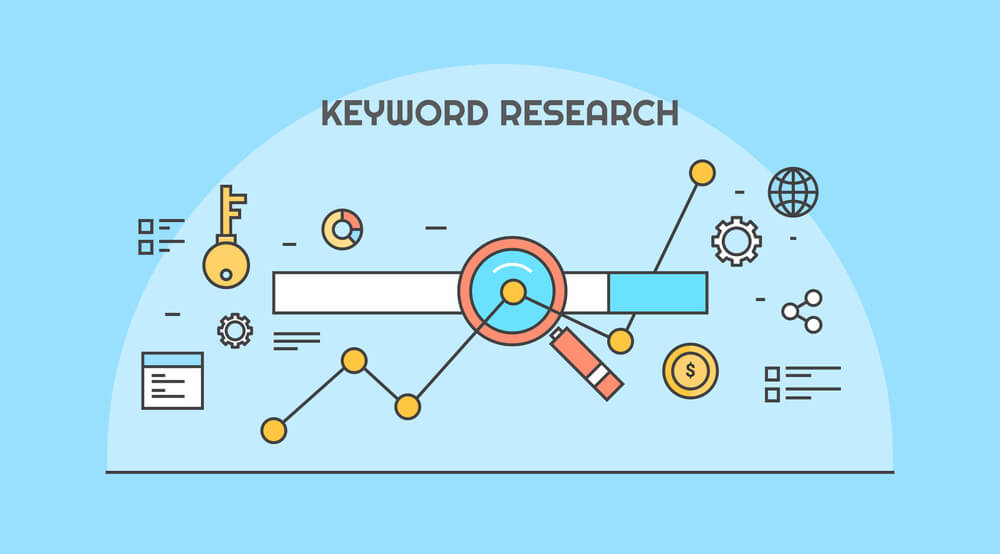
Keyword Research

Keyword research is a crucial step in the world of online content. It helps you understand what words and phrases people use when searching for information on the internet. This knowledge is essential for creating content that reaches your target audience effectively.

Importance of Keyword Research

Keyword research is like a compass for your content. It guides you towards topics that are relevant and in-demand. By knowing what people are searching for, you can tailor your content to meet their needs, increasing the chances of it being found.

Types of Keywords (Short-tail, Long-tail, LSI)

  • Short-tail Keywords: These are short, general terms that capture a broad topic. For example, “shoes” is a short-tail keyword.
  • Long-tail Keywords: These are longer, more specific phrases. They often indicate a user is looking for detailed information. For example, “running shoes for flat feet” is a long-tail keyword.
  • LSI (Latent Semantic Indexing) Keywords: These are related words or phrases that help search engines understand the context of your content. For instance, if your main keyword is “apple”, LSI keywords might include “fruit”, “orchard”, or “iPhone”.

Keyword Tools and Software

Various tools and software are available to help you with keyword research. They provide insights into search volume, competition, and related keywords. Some popular tools include Google Keyword Planner, Ahrefs, and SEMrush.

Competitor Keyword Analysis

Analyzing what keywords your competitors are targeting can provide valuable insights. It helps you identify gaps in your own content strategy and discover new keyword opportunities.

Search Volume and Competition

Understanding the search volume (how many people are searching for a particular keyword) and competition (how many other websites are targeting the same keyword) is crucial. Balancing high search volume with manageable competition is the key to success.

Understanding User Intent

User intent refers to the reason behind a search query. It’s important to create content that aligns with what users are looking for. This improves the chances of your content being ranked highly by search engines.

Identifying Seasonal Keywords

Some keywords experience fluctuations in popularity throughout the year. Recognizing and targeting seasonal keywords can help you tap into trends and capture a larger audience during specific times.

Keyword Mapping and Clustering

This involves organizing your chosen keywords into groups or clusters. It helps in creating a structured content plan that covers all aspects of your chosen topic.

Emerging Keyword Trends

Keeping an eye on emerging trends allows you to stay ahead of the curve. It helps you create content that is fresh and relevant, attracting a wider audience.

Localized Keyword Optimization

If your content is targeting a specific location, it’s essential to include keywords that are relevant to that area. This ensures your content reaches the right audience.

Content Optimization

Once you have the right keywords, it’s crucial to optimize your content to make it user-friendly and search engine-friendly.

Creating High-Quality Content

High-quality content is informative, engaging, and provides value to the reader. It should be well-researched and well-written.

Content Relevance and User Value

Your content should directly address the needs and interests of your target audience. It should provide solutions or information they find valuable.

Keyword Placement and Frequency

Integrating your chosen keywords naturally into your content is important. However, overusing them can lead to keyword stuffing, which can harm your rankings.

Header Tags and Structure

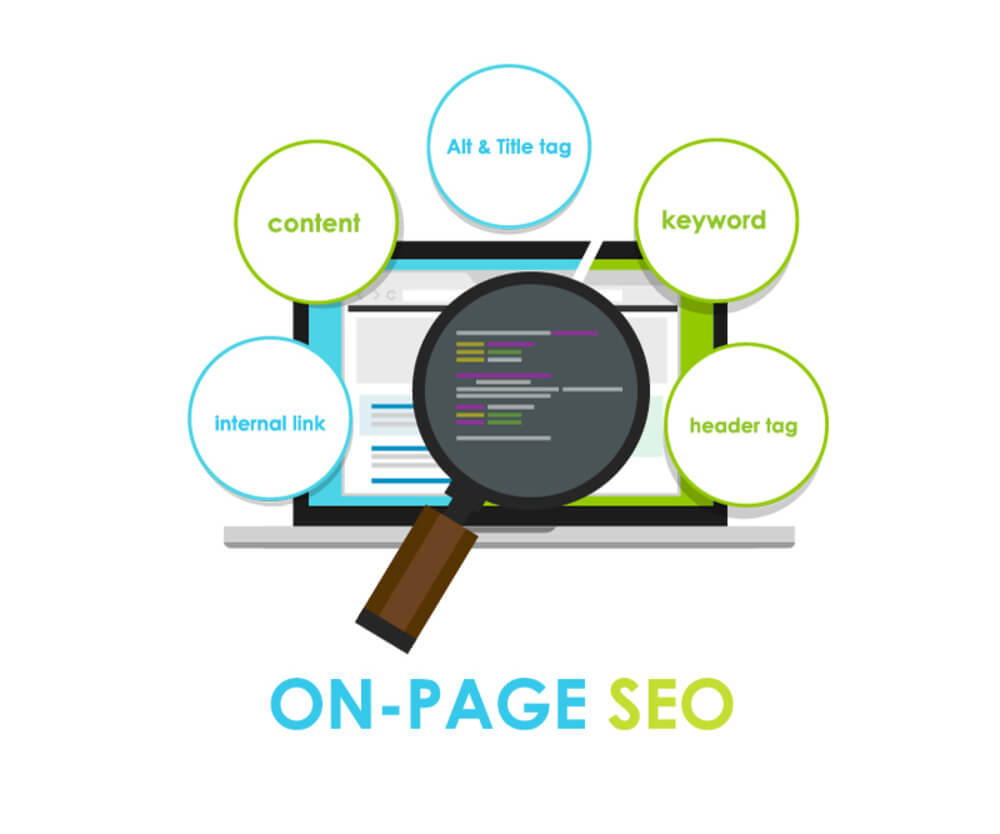
Proper use of header tags (H1, H2, H3, etc.) helps organize your content and makes it easier for both readers and search engines to understand.

Image Optimization and Alt Text

Images are an important part of content. Optimizing them with descriptive alt text helps search engines understand the content of the image.

Outbound and Inbound Linking

Linking to reputable sources (outbound linking) and having other websites link to your content (inbound linking) can boost your content’s credibility and SEO performance.

Anchor Text Optimization

The text used for hyperlinks (anchor text) should be relevant to the content it’s linking to. It provides context to both users and search engines.

Mobile-Friendly Content

With the rise of mobile devices, ensuring your content is easily accessible and readable on various screen sizes is crucial for SEO.

Schema Markup for Content

Schema markup is a code that you can add to your content to help search engines provide more informative results for users. It can enhance your content’s visibility in search results.

Content Length and Readability

Balancing content length is important. It should be long enough to provide value but not so long that it becomes overwhelming for readers. Additionally, ensuring readability with clear language and formatting is key.

Meta Tags and Descriptions

Meta tags and descriptions play a vital role in helping search engines understand and present your content to users. They provide important information about your web pages.

Optimizing Title Tags

Title tags are like the headlines of your web pages. They should accurately describe the content and include relevant keywords to improve search engine visibility.

Crafting Compelling Meta Descriptions

Meta descriptions provide a brief summary of your content in search results. They should be engaging and informative, enticing users to click through to your page.

Proper Use of Header Tags

Header tags (like H1, H2, etc.) help organize your content and signal its structure to search engines. They should be used appropriately to enhance readability and SEO.

Meta Robots Tags

These tags tell search engines how to crawl and index your pages. They’re important for controlling which pages are shown in search results.

Canonical Tags for Duplicate Content

When you have similar content on multiple pages, canonical tags help indicate the preferred version to search engines. This prevents duplicate content issues.

Geo-Targeted Meta Tags

If your content is specific to a certain location, using geo-targeted meta tags helps search engines understand the geographic relevance of your content.

Pagination Tags (rel=next/prev)

For content spread across multiple pages (like articles with multiple pages), pagination tags help search engines understand the sequence of pages.

Social Meta Tags (Open Graph, Twitter Cards)

These tags enhance how your content appears on social media platforms. They control the title, description, and image displayed when a link is shared.

Structured Data Markup

Structured data markup provides additional context to search engines about the content on your page. It can enhance how your page appears in search results.

Mobile Meta Tags and App Deep Linking

For mobile users and apps, specific meta tags help optimize how content is presented. App deep linking allows users to open specific content within an app directly from search results.

URL Optimization

URLs are the web addresses that users and search engines use to find your content. Optimizing them helps improve user experience and search engine rankings.

URL Structure Best Practices

Clear, descriptive URLs are recommended. They should give users an idea of what to expect on the page.

Including Keywords in URLs

Incorporating relevant keywords into your URLs can provide a small SEO boost. However, it’s important to do this naturally and not force keywords.

Avoiding Special Characters in URLs

Using special characters or symbols in URLs can cause issues for search engines. It’s best to stick to letters, numbers, and hyphens.

Canonicalization and URL Versions

If you have multiple versions of a URL (like http and https), canonicalization helps indicate the preferred version to search engines.

URL Length and Readability

Shorter, easy-to-read URLs are preferred. They are more user-friendly and can potentially have a positive impact on SEO.

URL Parameters and Google Search Console

URL parameters can sometimes cause indexing issues. Using Google Search Console, you can control how Google treats URLs with parameters.

Creating SEO-Friendly Permalinks

Permalinks are permanent URLs to individual pages or posts. They should be simple, descriptive, and include relevant keywords.

Subfolder vs. Subdomain Strategy

Deciding whether to use subfolders (example.com/blog) or subdomains (blog.example.com) can impact your site’s overall SEO strategy.

HTTPS and Secure URLs

Having a secure website (using HTTPS) is important for both user trust and search engine rankings.

Avoiding URL Redirect Chains

Having multiple redirects from one URL to another can slow down page loading times and potentially impact SEO. It’s best to keep redirects to a minimum.

Image Optimization

Optimizing images is crucial for improving website performance and enhancing user experience. It involves several techniques to ensure images are both visually appealing and load quickly.

Choosing the Right Image Format (JPEG, PNG, GIF)

Different image formats serve different purposes. JPEG is best for photographs, PNG for images with transparency, and GIF for simple graphics or animations.

Resizing and Compression for Web

Large, high-resolution images can slow down a website. Resizing and compressing images reduces file size without sacrificing quality.

Alt Text and Descriptions

Alt text provides a textual description of an image for users who can’t see it. It’s also important for SEO, as search engines use it to understand the content of the image.

Image File Names and SEO

Giving images descriptive file names (instead of generic ones like “IMG123.jpg”) can help search engines understand the content of the image.

Lazy Loading for Improved Performance

Lazy loading is a technique that delays the loading of images until the user scrolls down to where the image is located. This helps improve page load times.

Image Sitemaps and Indexation

Including images in your sitemap helps search engines discover and index them, improving their visibility in image search results.

CDN Integration for Images

Content Delivery Networks (CDNs) store copies of your images on servers around the world, reducing the distance and time it takes for them to load for users.

Mobile Responsive Images

Providing different image sizes for different screen sizes ensures that images display correctly and load quickly on mobile devices.

Avoiding Copyright Issues with Images

Using images without proper permission or licensing can lead to legal issues. It’s important to use images that are either in the public domain or have the appropriate licenses.

Using SVGs for Scalable Graphics

Scalable Vector Graphics (SVGs) are ideal for logos and icons because they can be scaled to any size without losing quality.

Internal Linking

Internal linking connects pages within your website. It’s an important aspect of SEO and user navigation.

Anchor Text Optimization for Internal Links

The text used for internal links (anchor text) should be descriptive and relevant to the content it’s linking to.

Creating a Hierarchical Site Structure

Organizing your website into a clear hierarchy makes it easier for users and search engines to navigate.

Utilizing Breadcrumbs for Navigation

Breadcrumbs provide a trail of links that show the user’s path through the site, making it easier to understand their location.

Contextual Linking within Content

Linking to related content within your articles or pages helps users find more relevant information and improves SEO.

Utilizing Related Posts/Products

Displaying related posts or products at the end of a page encourages users to explore more of your content.

HTML and XML Sitemaps

Both HTML and XML sitemaps help search engines understand the structure of your website, including internal links.

Implementing Pagination Links

If you have content spread across multiple pages (like a blog), pagination links help users and search engines navigate through them.

Nofollow and Dofollow Internal Links

You can control how search engines follow and pass authority through links by using nofollow and dofollow attributes.

Monitoring Broken Internal Links

Broken links can harm user experience and SEO. Regularly checking for and fixing broken links is important for website health.

Linking to Deep Pages for Indexation

Ensuring that deep pages within your website (not just the homepage) are linked to helps search engines discover and index them.

External Linking

External linking is a fundamental component of search engine optimization (SEO) that involves creating connections between your website and other relevant sites on the internet. These links, also known as backlinks, serve as pathways between online resources, signifying to search engines the relevance and authority of your content. A well-curated external linking strategy can significantly impact your site’s visibility, credibility, and overall SEO performance.

Quality vs. Quantity in External Links

One of the cardinal principles in external linking is prioritizing quality over quantity. While having a multitude of external links might seem beneficial, it’s far more advantageous to focus on establishing connections with reputable and authoritative sources within your industry or niche. These high-quality backlinks not only enhance your site’s credibility in the eyes of search engines but also provide valuable context to your content.

Nofollow and Dofollow Attributes

The distinction between nofollow and dofollow attributes in external links is of paramount importance in SEO. A nofollow attribute signals search engines not to pass authority through the link, making it invaluable for preventing the dilution of your site’s link equity. On the other hand, dofollow links contribute to your site’s authority and can positively impact your rankings.

Relevance and Authority of External Sites

The relevance and authority of the external sites you choose to link to significantly influence the perceived value of your content. Linking to websites that are closely related to your topic not only provides additional context for search engines but also offers users a seamless browsing experience. Furthermore, linking to authoritative sources establishes your site as a hub of reliable information within your niche.

Natural Link Building Strategies

Natural link building is the practice of acquiring backlinks organically, without resorting to manipulative tactics. This involves creating high-quality, engaging content that naturally attracts links from other websites. It also encompasses relationship-building within your industry, leading to collaborative opportunities and organic backlink growth.

Monitoring and Disavowing Bad Backlinks

Regularly scrutinizing your site’s backlink profile is essential for maintaining a healthy link profile. Identifying low-quality or spammy backlinks and promptly disavowing them through tools like Google’s Disavow Links tool helps prevent negative impacts on your site’s SEO.

Avoiding Link Farms and PBNs

Link farms and Private Blog Networks (PBNs) are considered black-hat SEO techniques and should be avoided at all costs. Engaging in such practices can lead to severe penalties from search engines, severely undermining your site’s credibility and visibility.

Social Media Links and SEO Impact

While social media links do not directly contribute to your site’s SEO rankings, they play a crucial role in driving traffic and increasing brand visibility. Engaging social media content can lead to natural backlinks from users who find your content valuable.

Guest Blogging for Backlinks

Guest blogging on reputable sites within your industry can be an effective method of acquiring high-quality backlinks. However, it’s crucial to prioritize providing valuable, informative content rather than focusing solely on link-building.

Building Relationships for Outreach

Cultivating relationships with other website owners, influencers, and thought leaders in your industry can lead to natural link-building opportunities. Outreach efforts can result in collaborations, interviews, and guest posting opportunities that contribute to your backlink profile.

Monitoring and Analyzing Link Profile

Regularly analyzing your site’s link profile enables you to identify trends, opportunities, and potential issues. Tools and platforms designed for backlink analysis provide valuable insights that inform your ongoing link-building efforts. This proactive approach ensures that your external linking strategy remains dynamic and effective.

Mobile Optimization

Mobile optimization is a pivotal aspect of modern website development and SEO. With the proliferation of mobile devices, ensuring that your website is tailored to provide an exceptional user experience on smartphones and tablets is imperative for both user satisfaction and search engine rankings.

Responsive Design and Mobile-Friendly Testing

At the core of mobile optimization lies responsive design. This approach entails creating a website that adapts seamlessly to various screen sizes and resolutions. It ensures that users on different devices have access to a consistent and user-friendly interface. Rigorous mobile-friendly testing, often facilitated by tools like Google’s Mobile-Friendly Test, verifies that your site functions seamlessly across a spectrum of mobile devices.

Accelerated Mobile Pages (AMP)

Accelerated Mobile Pages (AMP) is an open-source initiative aimed at accelerating the loading speed of web pages on mobile devices. By utilizing simplified HTML and streamlined CSS, AMP enhances the performance of your content, providing users with lightning-fast loading times.

Mobile Page Speed and Performance

In the mobile-centric digital landscape, page speed is paramount. Mobile users demand swift access to content, and search engines prioritize fast-loading pages in their rankings. To optimize mobile page speed, techniques such as image compression, code minification, and server optimizations are employed to reduce loading times.

Mobile-First Indexing Considerations

With the advent of mobile-first indexing, search engines primarily use the mobile version of a site’s content for ranking and indexing. Ensuring that your mobile site mirrors the depth and quality of your desktop version is crucial for maintaining optimal SEO performance.

App Indexing and Deep Linking

For websites with accompanying mobile apps, app indexing enables content within the app to be indexed and displayed in search results. Deep linking directs users to specific content within the app, enhancing user engagement and providing a seamless transition between web and app experiences.

Mobile-Specific Content Considerations

Tailoring content for mobile users involves considerations such as font size, button placement, and overall layout. Ensuring that content is easily digestible and accessible on smaller screens enhances the user experience.

Avoiding Common Mobile SEO Mistakes

Mistakes in mobile optimization can be detrimental to user experience and SEO performance. Common errors include intrusive pop-ups, faulty redirects, and unplayable content. Addressing these issues is essential for a seamless mobile experience.

Local SEO for Mobile

Local SEO for mobile devices is critical for businesses with physical locations. Optimizing for local search ensures that users searching for nearby products or services find relevant, location-based results.

Mobile User Experience (UX) and SEO

A positive mobile user experience goes beyond page speed and responsive design. It encompasses intuitive navigation, clear calls-to-action, and seamless interactions, all of which contribute to user satisfaction and indirectly impact SEO performance.

Testing and Optimization for Mobile Devices

Regularly testing your website on a variety of mobile devices and operating systems is essential to identify and rectify any issues that may arise. Conducting user testing and soliciting feedback ensures that your mobile optimization efforts result in a user experience that is both intuitive and effective.

Incorporating these comprehensive strategies for external linking and mobile optimization into your SEO endeavors will not only enhance your site’s visibility and credibility but also contribute to a seamless, user-friendly experience for visitors across all devices. Remember, SEO is a dynamic field, so staying updated with the latest trends and technologies is crucial for long-term success.

User Experience and Engagement

User experience (UX) and engagement are pivotal aspects of a website’s success. They encompass a wide range of elements that collectively influence how visitors interact with and perceive your site.

Page Load Speed and Performance

A swift-loading website is fundamental for retaining visitors’ attention. Ensuring that pages load quickly and efficiently contributes to a positive user experience.

Clear and Intuitive Navigation

Intuitive navigation is crucial for helping users find the information they seek. Well-structured menus and easy-to-follow links enhance user satisfaction and reduce frustration.

Engaging and Readable Content

Compelling, well-written content captures the reader’s interest and encourages them to stay on your site. Ensuring readability through appropriate fonts, colors, and formatting further enhances the user experience.

Mobile Responsiveness and Usability

A mobile-friendly design guarantees that your website functions seamlessly on various devices. This inclusivity ensures that mobile users have the same exceptional experience as desktop users.

Interactive Elements and Multimedia

Incorporating interactive elements like forms, quizzes, and multimedia such as videos and infographics, adds depth and engagement to your content, keeping users involved and interested.

Call-to-Action Optimization

Effectively placed and compelling calls-to-action guide users towards desired actions, whether it’s making a purchase, subscribing, or navigating to another page.

Social Proof and Trust Signals

Displaying testimonials, reviews, or certifications builds trust and credibility with your audience, fostering a sense of confidence in your brand.

Minimizing Pop-ups and Intrusive Elements

While pop-ups and similar elements can be effective, overuse or poorly timed displays can detract from the user experience. They should be employed judiciously to avoid irritating visitors.

Accessibility and Inclusivity Considerations

Ensuring that your website is accessible to individuals with disabilities is not only a legal requirement but also a crucial aspect of providing an inclusive and user-friendly experience for all.

Analyzing User Behavior and Metrics

Utilizing tools like Google Analytics allows you to gain insights into how users interact with your site. Analyzing metrics such as session duration, bounce rate, and behavior flow aids in refining the user experience.

Analytics and Performance Tracking

Analyzing the performance of your website and its impact on SEO is essential for making informed decisions and optimizing for better results.

Setting Up Google Analytics for SEO Tracking

Google Analytics is a powerful tool that provides a wealth of data about your website’s performance. Properly configuring it ensures you can accurately track and measure key SEO metrics.

Monitoring Organic Search Traffic

Keeping a close eye on organic search traffic provides valuable insights into how users find and interact with your site through search engine results.

Tracking Keyword Rankings

Monitoring the rankings of your target keywords enables you to assess the effectiveness of your SEO efforts and make adjustments as needed.

Analyzing Click-Through Rates (CTR)

Understanding CTR helps gauge the effectiveness of your meta titles and descriptions in enticing users to click through to your content from search results.

Assessing Bounce Rates and Dwell Time

Bounce rate and dwell time offer insights into how engaging and relevant your content is to visitors. Lowering bounce rates and increasing dwell time can improve SEO performance.

Conversion Tracking and Goal Setting

Setting up conversion tracking allows you to measure specific actions users take on your site, such as making a purchase or filling out a contact form. This information is invaluable for optimizing your site for conversions.

A/B Testing for SEO Performance

A/B testing involves comparing two versions of a webpage to determine which one performs better. This method can be applied to various elements, such as headlines, call-to-action buttons, and layout, to enhance SEO performance.

Monitoring Site Speed and Performance Metrics

Regularly assessing site speed and performance metrics helps identify areas for improvement, ensuring that your website consistently delivers a fast and reliable user experience.

Utilizing Heatmaps and User Recording Tools

Heatmaps provide visual representations of user interactions with your site. User recording tools offer actual recordings of user sessions, allowing you to observe how visitors navigate your website.

SEO Reporting and Data Interpretation

Effectively reporting and interpreting SEO data enables you to make informed decisions about your optimization efforts. Clear reporting ensures that progress is tracked and improvements are implemented where needed.

Incorporating these extensive strategies for user experience, engagement, analytics, and performance tracking into your SEO endeavors will not only enhance your site’s visibility but also foster a positive, engaging, and informative experience for all visitors. Remember, SEO is a continuous process, and staying abreast of emerging trends and technologies is vital for sustained success.

Summary

As we draw the curtains on this enlightening journey, pat yourself on the back. You’ve just empowered your website with the knowledge and strategies that SEO experts swear by. Each step, from Keyword Research to Analytics, is a piece of a grand puzzle, meticulously crafted to elevate your online presence.

Remember, SEO isn’t just about appeasing algorithms; it’s about providing value to real people. So, keep honing your skills, keep refining your content, and watch as your website scales new heights in the digital landscape. You’ve now equipped yourself with the tools of a seasoned SEO professional. Onward to success!


Schedule a Free Call Now!

Advance technical SEO By Ivanshigo

Technical SEO: Maximizing SEO Impact

Technical SEO: Maximizing SEO Impact Mastering Technical SEO: Advanced Techniques for Success The world of Search Engine Optimization (SEO) has evolved considerably over the years, forcing digital
Let's connect

Posted on 3 Comments

Keyword Research 101

Keyword Research 101

Keyword Research 101

Keyword Research 101

Backlinks 101: A Detailed Guide for Everyone

Let’s embark on a journey into the world of backlinks, the virtual signposts of the internet. They’re like magical pathways that connect different corners of the online world. Think of them as recommendations, suggesting which places (websites) are popular and trustworthy. In simple terms, backlinks are special links on websites that take you on an adventure with just a click. They play a crucial role in how search engines view and rank websites. Understanding these virtual guides can have a profound impact on your website’s performance. So, let’s dive deeper and unravel the secrets of backlinks.

What Are Backlinks?

Backlinks are foundational components of search engine optimization (SEO), serving as critical indicators of a website’s authority, relevance, and overall standing in the digital landscape.

Definition and Importance

Backlinks, also referred to as inbound links or incoming links, are hyperlinks originating from external websites that lead users directly to your own site. They function as a vote of confidence, signaling to search engines that your content is valuable and trustworthy.

The significance of backlinks lies in their profound impact on a website’s credibility in the eyes of search engines. When reputable and authoritative websites establish a connection to yours, it communicates to search algorithms that your content is of high quality and merits a higher position in search results.

Types of Backlinks

The realm of backlinks encompasses various classifications, each carrying distinct degrees of influence on a website’s SEO performance.

  1. Natural Backlinks: These are the organic, unforced links acquired without any deliberate effort on the part of the website owner. They usually stem from exceptional content and valuable information.
  2. Manual or Outreach Backlinks: These backlinks are procured through intentional endeavors, involving outreach to other website owners, influencers, or bloggers, with the aim of persuading them to link to your content.
  3. Editorial Backlinks: These links naturally occur within the content of another website, often as a reference or citation. They hold substantial SEO value due to their contextually relevant nature.
  4. Guest Post Backlinks: By contributing guest posts to other websites within your niche, you can incorporate a backlink to your own site. This not only drives traffic but also augments your website’s authority.
  5. Social Media Backlinks: Links disseminated across social media platforms may not always wield the same influence as traditional backlinks, but they nevertheless contribute to your website’s overall visibility and online presence.

How Search Engines Use Backlinks

Search engines employ sophisticated algorithms that take into account a multitude of factors, backlinks being a prominent one, in order to determine a website’s ranking. Backlinks are viewed as a form of endorsement; the more reputable and relevant the source, the more positive an impact it has on your SEO.

Quality vs. Quantity of Backlinks

While quantity can certainly contribute to a website’s visibility, the preeminence lies in the quality of backlinks. High-quality backlinks emanate from authoritative, well-established websites within your industry or niche.

Benefits of High-Quality Backlinks

The acquisition of high-quality backlinks begets a multitude of benefits including amplified organic traffic, elevated search engine rankings, fortified credibility, and a more commanding online presence.

Common Backlink Myths

The realm of backlinks is not devoid of misconceptions. Dispelling these myths is essential for the implementation of an effective backlinking strategy.

The Role of Anchor Text in Backlinks

Anchor text, the visible and clickable text of a hyperlink, furnishes context to search engines regarding the content of the linked page, thereby exerting an influence on its rankings.

Nofollow vs. Dofollow Backlinks

Dofollow links bestow SEO authority, while nofollow links do not. Both possess their distinct role in a comprehensive backlinking strategy.

Internal vs. External Backlinks

Internal links interconnect various pages within the same website, while external links point to pages on other domains. Both categories contribute significantly to a website’s overall SEO health.

Backlinking Best Practices

Embarking on a backlinking endeavor demands a judicious amalgamation of quality content creation, relationship cultivation, and strategic link placement.

How to Build Quality Backlinks

The construction of quality backlinks necessitates a systematic approach that amalgamates diverse techniques to maximize their impact on your website’s SEO efficacy.

Guest Blogging for Backlinks

Guest blogging entails crafting superior content for other websites in return for a backlink. This not only forges relationships but also drives a substantial influx of traffic.

Creating Link-Worthy Content

The bedrock of any triumphant backlinking strategy lies in the creation of content that is genuinely valuable, informative, and relevant to your target audience.

Utilizing Social Media for Backlinks

While social media links may not bear the same weight as traditional backlinks, they still contribute indispensably to a well-rounded online presence.

Outreach and Relationship Building

Proactively initiating contact with influencers, bloggers, and website owners can lead to invaluable backlinks and collaborative ventures.

Broken Link Building Strategies

Identifying broken links on other websites and offering your content as a substitute is an effective tactic for acquiring backlinks.

Participating in Online Communities

Engaging in forums, discussion boards, and online communities within your niche can culminate in natural backlinks and invaluable networking opportunities.

Directory Submissions for Backlinks

Submitting your website to relevant directories can furnish authoritative backlinks, but it is imperative to exercise discernment in choosing reputable directories.

Infographics and Visual Content for Backlinks

Visual content, such as infographics, can attract an augmented number of backlinks owing to their shareable nature and their aptitude for conveying intricate information in a visually appealing manner.

Monitoring and Analyzing Backlink Quality

A systematic assessment of the quality of your backlinks on a regular basis ensures that you are maintaining a robust and healthy link profile, and enables the timely identification and rectification of any potential issues.

Avoiding Common Backlinking Pitfalls

Acquiring an awareness of common pitfalls, such as accruing low-quality or spammy backlinks, is fundamental to sustaining a potent and efficacious backlinking strategy.

Backlink Quality Assessment

Backlink quality assessment is a critical aspect of maintaining a healthy and effective backlink profile. It involves evaluating various factors to ensure that the links pointing to your website are from reputable and relevant sources.

Domain Authority and Page Authority

Domain Authority (DA) and Page Authority (PA) are metrics developed by Moz to gauge the strength and influence of a website or specific page. A backlink from a high DA and PA website holds more SEO value than one from a lower authority site.

Relevance of Backlink Source

Relevance is paramount in backlink quality. Links from websites within the same industry or niche are more valuable, as they indicate to search engines that your content is closely related to a particular topic.

Trustworthiness of Backlink Source

Trustworthiness is a crucial factor. Backlinks from reputable and established websites are more valuable than those from questionable or low-quality sources.

Link Diversity and Natural Backlink Profiles

A natural backlink profile consists of a diverse range of link types (e.g., editorial, guest posts, social media). This diversity signals to search engines that your backlinks have been acquired organically.

Avoiding Toxic or Spammy Backlinks

Identifying and disavowing toxic or spammy backlinks is essential to protect your website from potential penalties or ranking drops.

Evaluating Link Placement and Context

The placement and context of a backlink within the content can affect its impact. Contextually relevant placement within high-quality content is more beneficial.

Tools for Backlink Quality Analysis

Various tools and software are available for analyzing backlink quality. These tools provide insights into metrics like DA, PA, and spam scores to help you make informed decisions.

Disavowing Harmful Backlinks

The disavow tool allows you to inform search engines to ignore specific backlinks. This is crucial for removing the influence of low-quality or harmful links.

Identifying and Fixing Broken Backlinks

Broken backlinks can harm user experience and SEO. Regularly identifying and fixing these links ensures a seamless browsing experience.

Periodic Backlink Audits

Regular audits of your backlink profile help in identifying and rectifying any issues promptly. This ensures that your backlinks continue to positively impact your SEO efforts.

Advanced Backlinking Strategies

Advanced backlinking strategies go beyond the basics and involve more intricate approaches to acquiring high-quality links.

Competitor Backlink Analysis

Analyzing your competitors’ backlink profiles can reveal valuable insights and help you identify potential link opportunities.

Expanding Backlink Networks

Actively seeking out and fostering relationships with industry influencers and authoritative websites can lead to high-value backlink opportunities.

Building Backlinks through Influencer Marketing

Leveraging influencers in your industry to promote your content can result in high-quality backlinks and increased visibility.

Harnessing the Power of Webinars and Podcasts

Hosting webinars or podcasts and featuring industry experts can attract backlinks from attendees, participants, and related websites.

Strategic Guest Posting for Backlinks

Guest posting on reputable websites within your niche not only establishes you as an authority but also provides valuable backlinks.

Utilizing HARO (Help a Reporter Out)

Responding to queries on platforms like HARO can lead to opportunities for featured quotes and backlinks in high-authority publications.

Creating Linkable Assets for Outreach

Producing exceptional, shareable content encourages natural backlinks and facilitates outreach efforts.

Implementing the Skyscraper Technique

Identifying popular content in your niche and creating even better versions can lead to backlinks from those who prefer your superior content.

Leveraging Infographics for Backlinks

Designing informative infographics and promoting them can lead to a surge in backlinks from websites seeking visual content.

Building Backlinks with Data-Driven Content

Publishing data-driven content and studies positions you as an authoritative source, attracting backlinks from those seeking credible references.

Backlinks and SEO Ranking Factors

Understanding the intricate relationship between backlinks and various SEO ranking factors is crucial for optimizing your website’s visibility and authority.

The Role of Backlinks in Search Engine Algorithms

Backlinks serve as a cornerstone of search engine algorithms, acting as a vote of confidence from one website to another. They indicate content relevance, credibility, and authority.

Correlation between Backlinks and SERP Rankings

Extensive research has consistently shown a strong correlation between the quantity and quality of backlinks and a website’s rankings on search engine results pages (SERPs).

Link Signals and Algorithm Updates

Search engines continuously refine their algorithms to better evaluate backlinks. Understanding these updates is crucial for maintaining an effective backlinking strategy.

Link Velocity and Link Growth Patterns

The rate at which a website acquires backlinks (link velocity) and the pattern of growth are factors that influence SEO performance.

Co-citation and Co-occurrence in Backlinking

Co-citation refers to the mentions of two different websites on a third-party page, indicating a relationship. Co-occurrence involves the proximity of keywords to one another across the web.

Link Authority and Link Juice

Link authority pertains to the influence and power a backlink carries. Link juice is the SEO value passed from one page to another through a hyperlink.

Anchor Text Optimization for SEO

Optimizing anchor text, the clickable part of a hyperlink, is essential for conveying context to search engines and influencing rankings.

Freshness and Recency of Backlinks

Search engines value fresh and recent backlinks, as they indicate that a website’s content is current and relevant.

Social Signals and Backlinking

While not a direct ranking factor, social signals, such as likes, shares, and comments, can indirectly influence a website’s authority and visibility.

User Experience and Backlink Relevance

A seamless user experience is essential for retaining visitors. Backlinks should lead to relevant, high-quality content that fulfills the user’s intent.

Backlinks Outreach and Relationship Building

Effective outreach and relationship-building strategies are pivotal for acquiring high-quality backlinks and establishing mutually beneficial connections within the online community.

Crafting Effective Outreach Emails

Well-crafted outreach emails should be personalized, concise, and clearly communicate the value proposition for both parties involved.

Personalization and Customization in Outreach

Tailoring outreach messages to specific recipients increases the likelihood of building meaningful connections and securing backlinks.

Building Genuine Relationships with Webmasters

Authentic relationships with webmasters and site owners lead to long-lasting partnerships and a steady flow of high-quality backlinks.

Networking with Industry Influencers

Connecting with influencers in your industry can lead to valuable collaborations and opportunities for high-impact backlinks.

Overcoming Common Outreach Challenges

Challenges in outreach, such as rejection or lack of response, can be mitigated through persistence, creativity, and continual refinement of your approach.

Following Up and Nurturing Connections

Regular follow-ups and ongoing communication are essential for maintaining strong relationships and securing backlinks over time.

Building Trust and Credibility with Webmasters

Establishing trust with webmasters requires transparency, reliability, and consistently delivering on your promises.

Negotiating Backlink Placements

Effective negotiation skills are crucial for securing optimal backlink placements that benefit both parties involved.

Building a Backlink Outreach Strategy

A well-defined outreach strategy includes identifying target websites, crafting compelling messages, and tracking progress to ensure a steady influx of high-quality backlinks.

Leveraging Content Partnerships for Backlinks

Collaborating with other content creators and businesses can lead to mutually beneficial partnerships that result in valuable backlinks and increased exposure.

Local SEO and Backlinks

Incorporating local SEO strategies into your backlinking approach is crucial for businesses looking to target a specific geographic area and attract local customers.

Importance of Local Backlinks

Local backlinks provide geographical context to search engines, signaling that your business is relevant and authoritative within a specific location.

Citations and NAP Consistency

NAP (Name, Address, Phone number) consistency across online platforms and directories is a critical component of local SEO and backlinking.

Local Directories and Backlinking

Listing your business in reputable local directories can generate valuable backlinks and enhance your visibility in local search results.

Local Business Associations and Backlinks

Joining local business associations and chambers of commerce can lead to backlink opportunities and establish your business as an active member of the community.

Reviews and Testimonials for Local Backlinks

Encouraging and responding to customer reviews not only builds trust but can also lead to backlinks from review platforms.

Geo-Specific Content for Backlinking

Creating content tailored to specific locations or regions can attract backlinks from websites interested in sharing locally relevant information.

Building Backlinks from Local Events

Participating in or sponsoring local events provides opportunities for backlinks from event organizers and related businesses.

Optimizing Google My Business for Backlinks

A well-optimized Google My Business profile can lead to increased visibility in local search results and potential backlinks from authoritative sources.

Local Link Building Strategies

Developing a targeted approach to acquiring local backlinks involves identifying local influencers, businesses, and directories for outreach.

Tracking Local Backlink Performance

Regularly monitoring the performance of your local backlinks ensures that they continue to contribute to your local SEO efforts effectively.

Content Marketing and Backlinks

Integrating content marketing with backlink strategies amplifies the impact of your content and enhances its visibility.

Integrating Backlink Strategies with Content

Strategically incorporating backlinks within your content ensures that they flow naturally and provide additional value to your audience.

Creating Linkable Assets and Resources

Producing high-quality, informative content establishes your website as a valuable resource, increasing its potential for backlinks.

Content Promotion for Backlinks

Promoting your content through various channels, including social media and email marketing, can lead to increased visibility and backlinks.

Repurposing Content for Backlink Opportunities

Adapting existing content into different formats, such as infographics or videos, can attract a wider audience and generate more backlinks.

Guestographics and Visual Content for Backlinks

Creating visually appealing content, such as guestographics, can increase the likelihood of it being shared and linked to by other websites.

Storytelling and Backlink Engagement

Compelling storytelling in your content can captivate your audience and increase the likelihood of them sharing and linking to your content.

Using Content Hubs for Backlinking

Identifying and leveraging content hubs or platforms within your niche can lead to valuable backlinks and increased exposure.

Aligning Content Strategy with Backlink Goals

Ensuring that your content strategy aligns with your backlink goals helps to create content that naturally attracts quality backlinks.

Multimedia Content and Backlinking

Incorporating multimedia elements, such as images, videos, and podcasts, into your content can make it more engaging and shareable, increasing the likelihood of backlinks.

Evergreen Content and Long-Term Backlink Value

Creating evergreen content that remains relevant over time increases its potential for long-term backlink acquisition and sustained SEO value.

Backlinks and Social Media

Integrating social media with your backlinking strategy is essential for expanding your online presence and attracting a wider audience.

Social Signals and Backlinking

Social signals, such as likes, shares, and comments on social media, indirectly impact SEO and can contribute to backlink opportunities.

Social Media Platforms for Backlinks

Different social media platforms offer distinct opportunities for backlinking. Understanding how to leverage each platform effectively is crucial.

Amplifying Content for Backlink Opportunities

Promoting your content on social media can lead to increased visibility and potential backlinks from engaged followers.

Engaging with Influencers on Social Media

Building relationships with influencers in your industry on social media can lead to collaborations and backlink opportunities.

Utilizing Hashtags for Backlink Exposure

Using relevant and trending hashtags can extend the reach of your content and increase its potential for backlinks.

Viral Content and Backlink Potential

Creating content with the potential to go viral on social media can lead to a surge in backlinks as it gains widespread attention.

Community Building for Backlinking

Fostering a community around your brand on social media can lead to organic backlinks from engaged and loyal followers.

Monitoring Social Media for Link Opportunities

Regularly monitoring social media platforms for discussions and conversations related to your niche can lead to backlink opportunities.

Social Sharing and Backlink Value

Encouraging social sharing of your content can lead to increased exposure and potential backlinks from users who find value in your content.

Measuring Social Media Impact on Backlinks

Analyzing metrics related to social media activity, such as referral traffic and engagement, can provide insights into the effectiveness of your backlinking efforts through social platforms.

Backlink Maintenance and Monitoring

Ongoing monitoring and maintenance of your backlink profile is essential for sustaining and improving your website’s SEO performance.

Tools for Backlink Monitoring

Utilizing specialized tools for backlink monitoring provides insights into the quality, quantity, and performance of your backlinks.

Periodic Backlink Audits

Regularly conducting backlink audits helps identify and rectify any issues, ensuring a healthy and effective backlink profile.

Disavowing Harmful Backlinks

Identifying and disavowing toxic or low-quality backlinks is crucial for protecting your website from potential penalties.

Identifying and Fixing Broken Backlinks

Broken backlinks can harm user experience and SEO. Identifying and rectifying them ensures a seamless browsing experience.

Analyzing Backlink Growth Patterns

Examining the growth patterns of your backlink profile provides insights into the effectiveness of your backlink acquisition efforts.

Evaluating Referral Traffic from Backlinks

Monitoring referral traffic from backlinks helps assess the quality and relevance of the traffic generated by your backlinks.

Tracking Keyword Performance with Backlinks

Analyzing how backlinks impact keyword rankings provides valuable insights into the effectiveness of your backlinking strategy.

Adjusting Backlink Strategies Based on Data

Using data-driven insights, you can refine and adjust your backlinking strategies to optimize for better results.

Benchmarking Backlink Metrics

Comparing your backlink metrics with industry benchmarks helps assess your performance and identify areas for improvement.

Continuous Improvement in Backlinking Strategies

Maintaining a commitment to continuous improvement in your backlinking strategies ensures that you stay ahead of algorithm updates and changes in SEO best practices.

In the vast realm of the internet, backlinks act as bridges that connect various online destinations. They signify trust, authority, and relevance. We’ve covered a wide array of techniques to help you become a backlink maestro. Always remember, it’s not just about the number of links, but their quality. High-quality backlinks from reputable sources can skyrocket your website’s rankings. So, invest time in cultivating genuine relationships, crafting exceptional content, and regularly monitoring your backlink profile. With the right approach, backlinks can become the cornerstone of your online success. Embrace these digital pathways and watch your website flourish!

Schedule a Free Call Now!
Advance technical SEO By Ivanshigo

Technical SEO: Maximizing SEO Impact

Technical SEO: Maximizing SEO Impact Mastering Technical SEO: Advanced Techniques for Success The world of Search Engine Optimization (SEO) has evolved considerably over the years, forcing digital
Let's connect

Posted on 3 Comments

The Basics of SEO

Basic of SEO by Ivanshigo

The Basics of SEO

Basic of SEO by Ivanshigo

Let’s Get Started to know The Basics of SEO

Search engine optimization, often abbreviated as SEO, is a phrase you instantly stumble upon once you plunge into the digital arena. Whether you are seeking to establish a blog, launch a business presence online, or simply take your existing site to new heights, understanding the basics of SEO is paramount. This guide will provide a fundamental understanding of SEO and why it’s critical for your online success.

What is SEO?

SEO refers to various tactics and strategies aimed at enhancing a website’s visibility within search engines, such as Google or Bing. It involves making certain changes to your website design and content to make it more desirable for a search engine. Efficient SEO tactics ensure that your website not only attracts more traffic but also targets higher-quality visitors.

Why is SEO important?

For the majority of internet users, the pathway to information, products, or services online typically begins with a search engine. SEO is significant as it paves the way for search engines to understand and present your content during relevant searches. Neglecting SEO is equivalent to owning a shop but not letting people know about it.

The Core Elements of SEO

Keywords

In the earliest days of the internet, SEO was all about keywords. Although the vast field of SEO has significantly evolved, keywords remain an integral aspect to consider. These are the words or phrases that internet users input to seek specific information, products, or services. By incorporating keywords relevant to your business or content, you increase the chances of being found by your targeted audience.

Content

Search engines aim to provide users with the most relevant content for their inquiries. Therefore, creating high-quality, valuable content is crucial. This could be in the form of blog posts, articles, infographics, videos, etc., which provide useful information while incorporating the relevant keywords.

Backlinks

Backlinks are links from external pages that connect to your website. They’re like votes of confidence from one site to another. Quality backlinks can enhance your site’s integrity in the watchful eyes of search engines, thus improving its ranking.

User Experience

Search engines also consider user experience in their algorithms. Factors such as website load speed, mobile-friendliness, ease of navigation, etc., play a crucial part in rankings.

Local SEO

For businesses catering to geographical locations, optimizing for local SEO is vital. This involves adding accurate listings in online directories and optimizing content for local keywords.

SEO: A Continuous Journey

SEO is not a one-off task; it’s an ongoing commitment. It involves constant updates, periodic measurement of results and tweaks when necessary. Remember, as algorithms of search engines continue to evolve, the landscape of SEO also shifts. Staying abreast of these changes is as important as understanding the basics.

In conclusion, SEO offers a valuable means of shaping your digital presence. The basics of SEO provide the foundation, but as your knowledge deepens, you’ll explore and utilize more strategies to fortify your digital visibility and meet your business goals. With perseverance and patience, through the power of SEO, your digital footprint can grow significantly. Aim to master these techniques, and you’ll be well-prepared to thrive in the ever-evolving digital landscape.

Schedule a Free Call Now!
Advance technical SEO By Ivanshigo

Technical SEO: Maximizing SEO Impact

Technical SEO: Maximizing SEO Impact Mastering Technical SEO: Advanced Techniques for Success The world of Search Engine Optimization (SEO) has evolved considerably over the years, forcing digital

Let's connect